
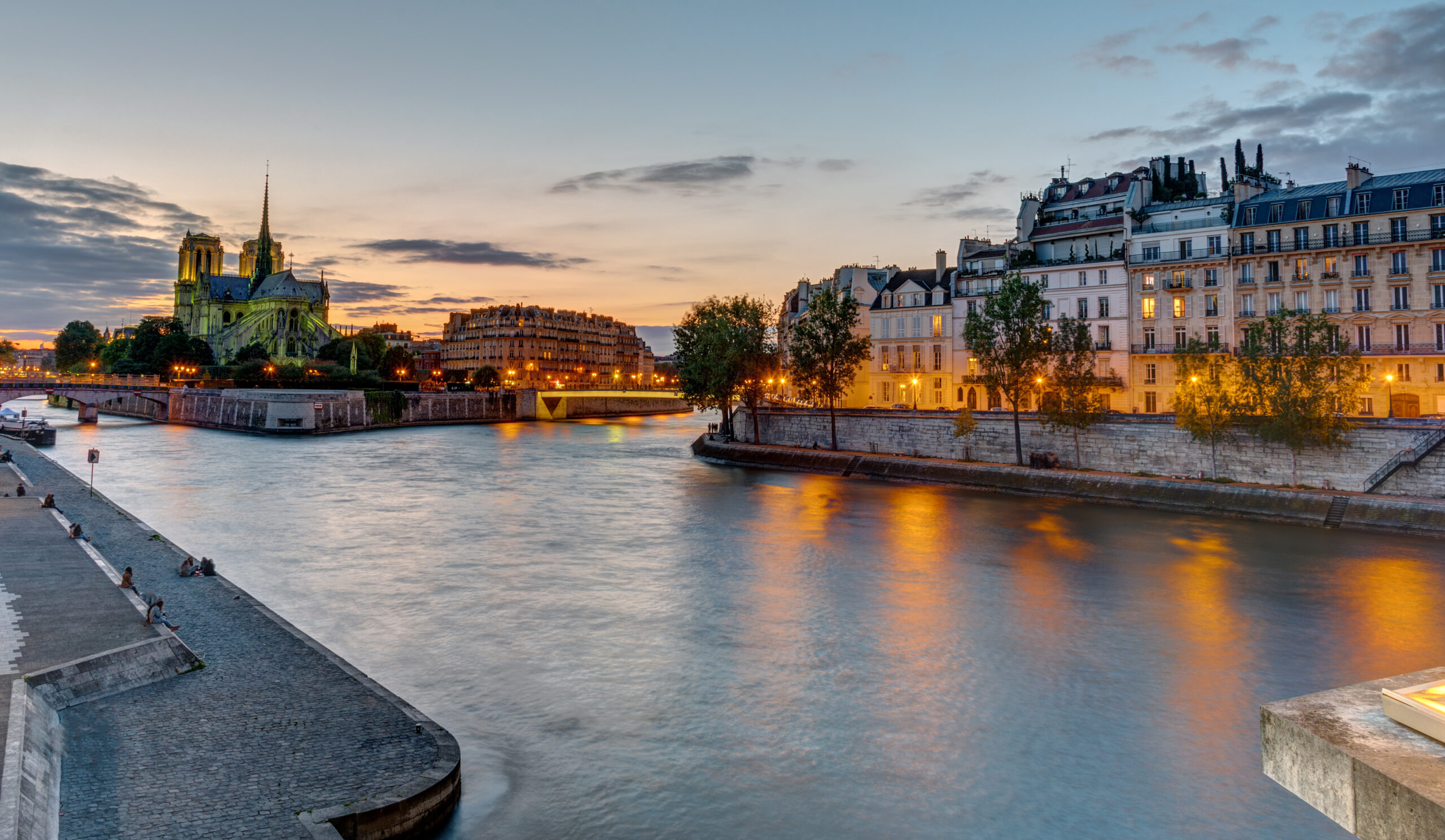
About Notre-Dame
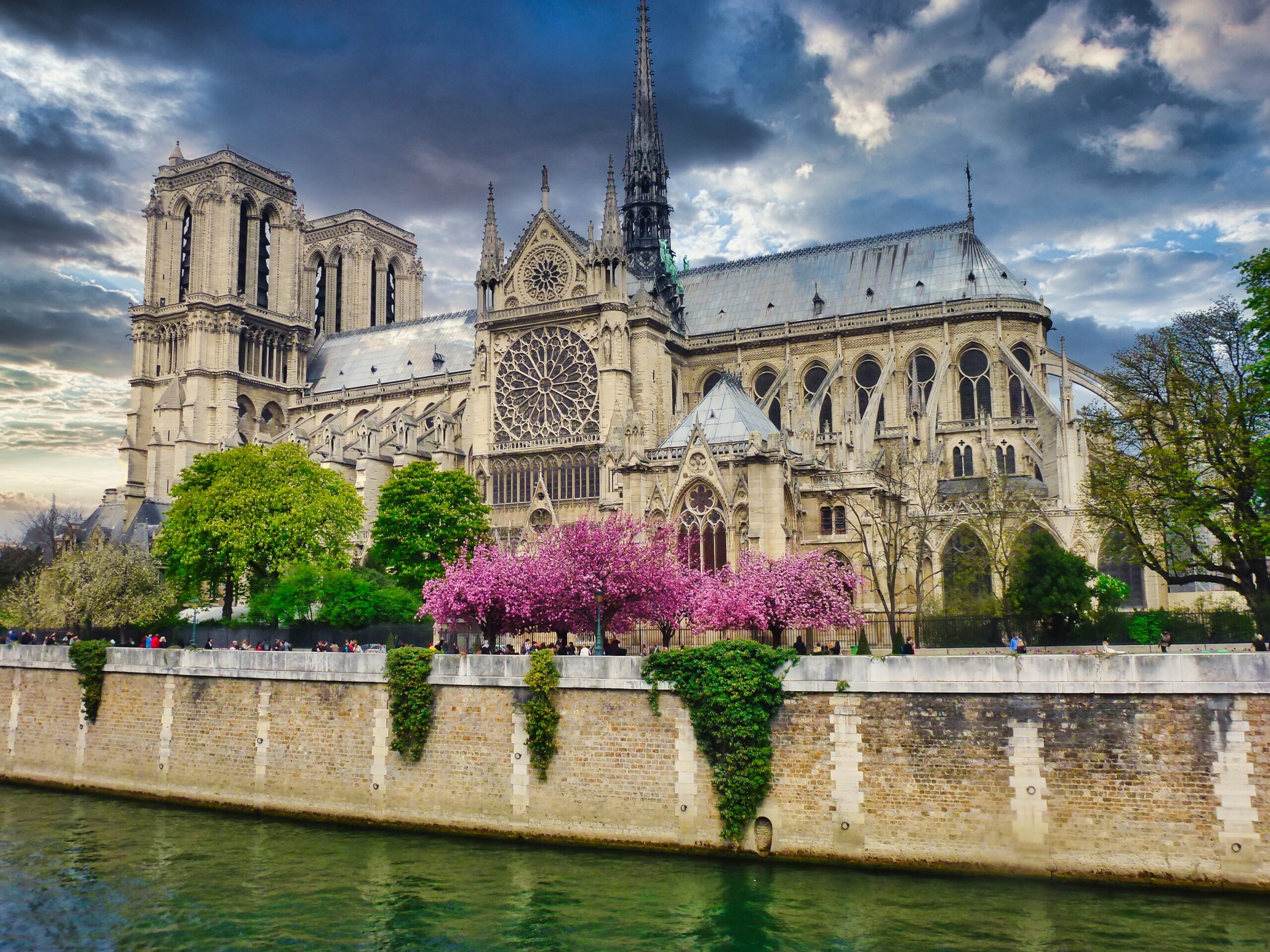
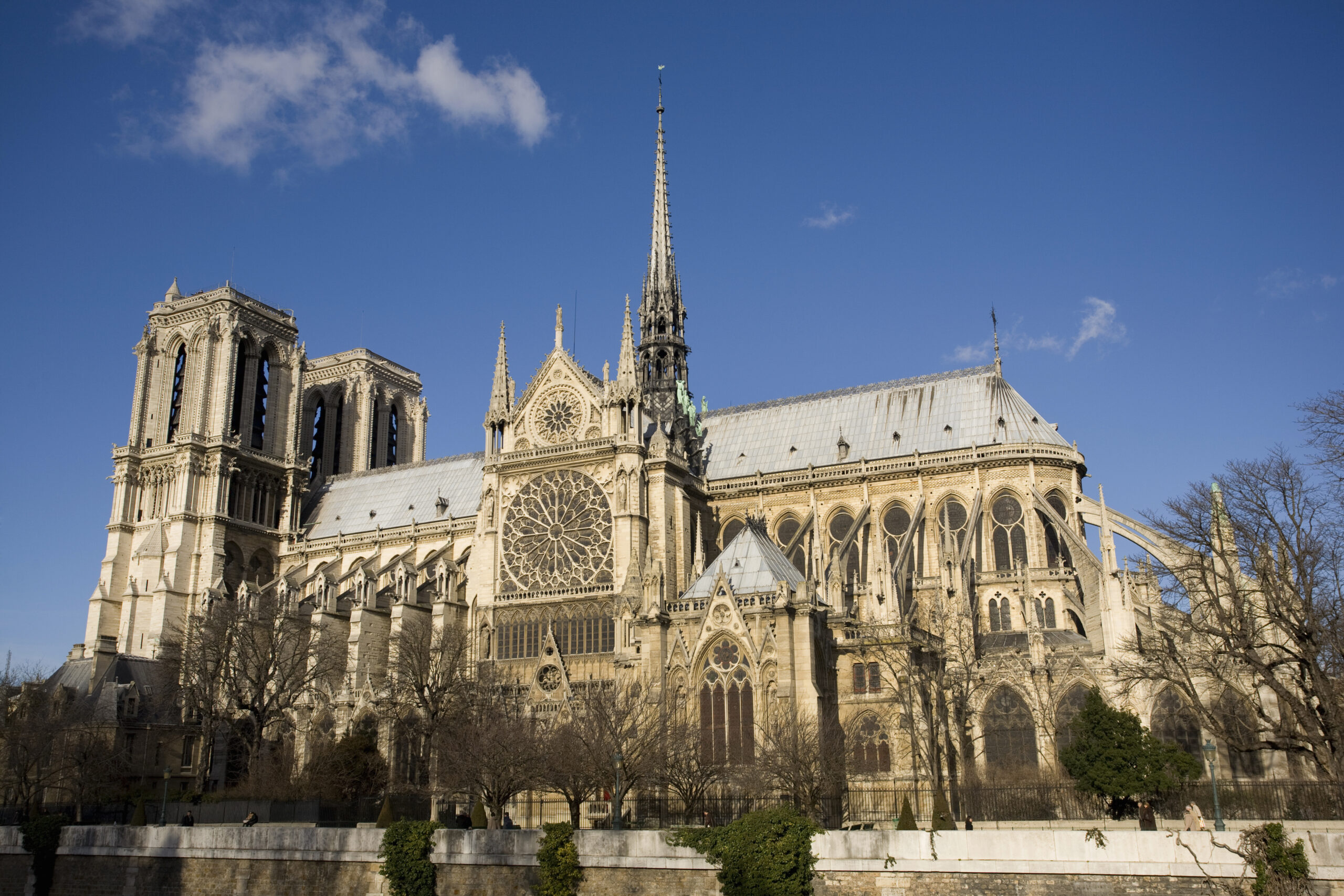
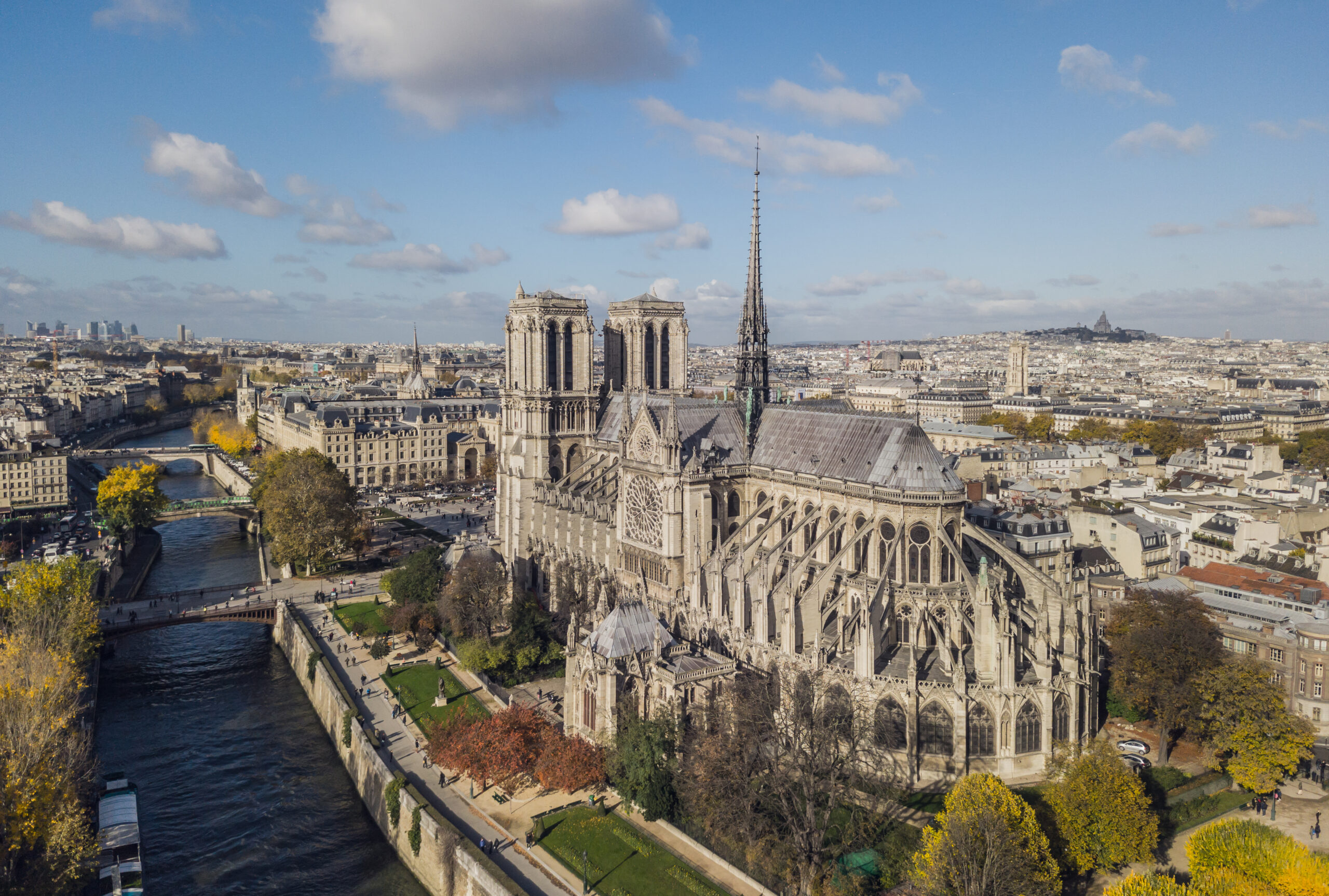
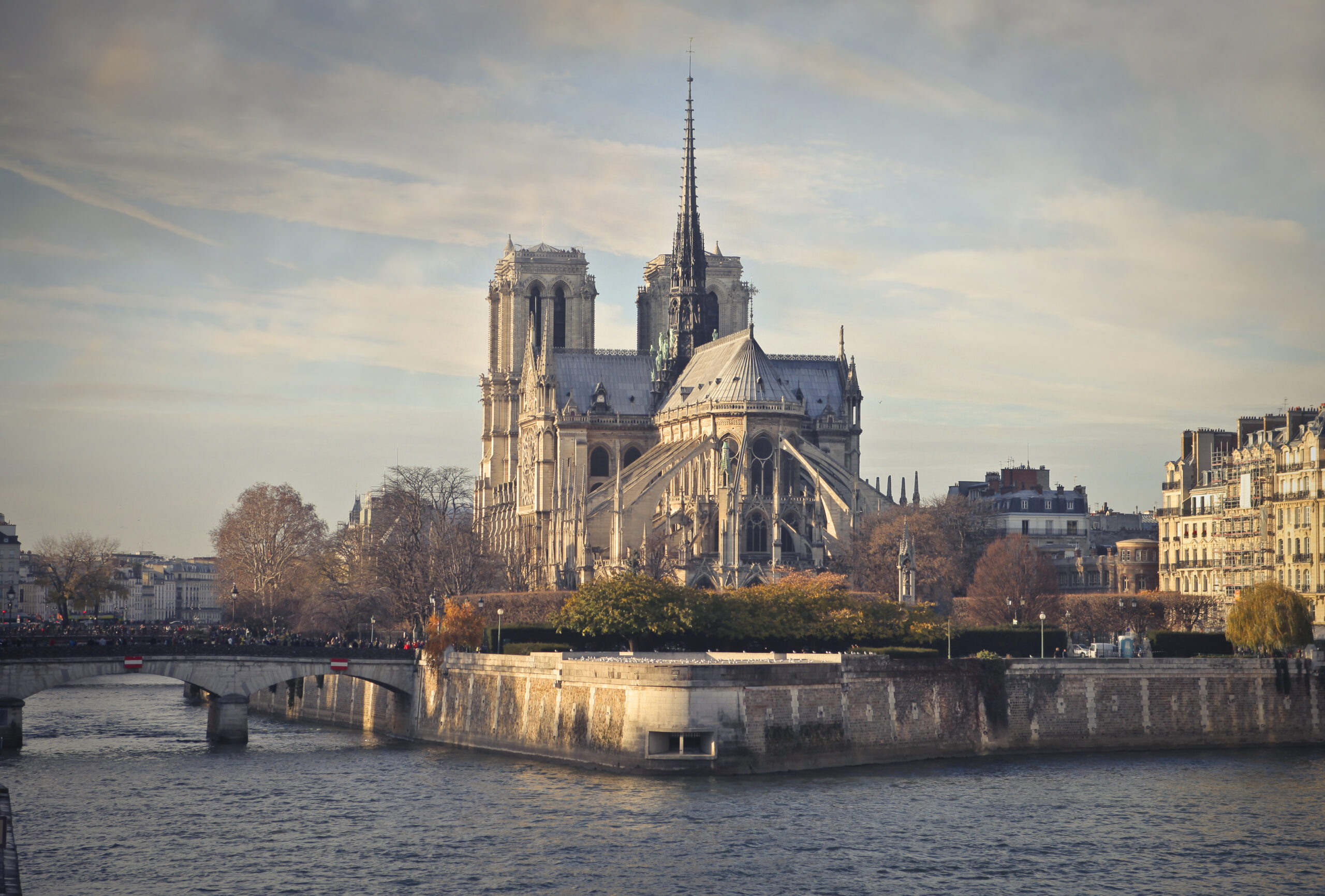
Notre-Dame Cathedral stands on the Île de la Cité, considered the historical cradle of Paris. Since the Middle Ages, this enclave concentrated the religious, political and judicial power of the city, becoming the heart from which the French capital developed. This tour allows you to understand the evolution of Paris through its oldest district, where centuries of medieval history, spirituality and urban life are still present in its streets and monuments.
What to see during the visit
The tour explores the historic spaces surrounding Notre-Dame, including the Sainte-Chapelle, symbol of medieval royal power, the Conciergerie, a former palace turned prison during the French Revolution, and the iconic Pont Neuf. The audioguide allows you to discover the Gothic architecture of the cathedral, its sculptures, stained glass windows and symbolic elements reflecting medieval European faith, art and society.
“The great cathedrals are books of stone.” – Victor Hugo
Curiosities
- The Île de la Cité was the original settlement of the parisii, the Gallic people after whom the city was named.
- The façade of Notre-Dame functions as a “visual Bible“: its sculptures taught religious stories to a largely illiterate population in the Middle Ages.
- La Conciergerie was the prison where Marie Antoinette was imprisoned before her execution during the French Revolution.