
About the visit
The D-Day beaches and Mont Saint-Michel represent two essential moments in the history of France and Europe. On June 6, 1944, the coasts of Normandy were the scene of the largest military landing in history, a turning point in the Second World War that marked the beginning of the liberation of Western Europe. Centuries before, Mont Saint-Michel already stood as a strategic and spiritual enclave, a symbol of medieval religious and defensive power.
What to see during the excursion
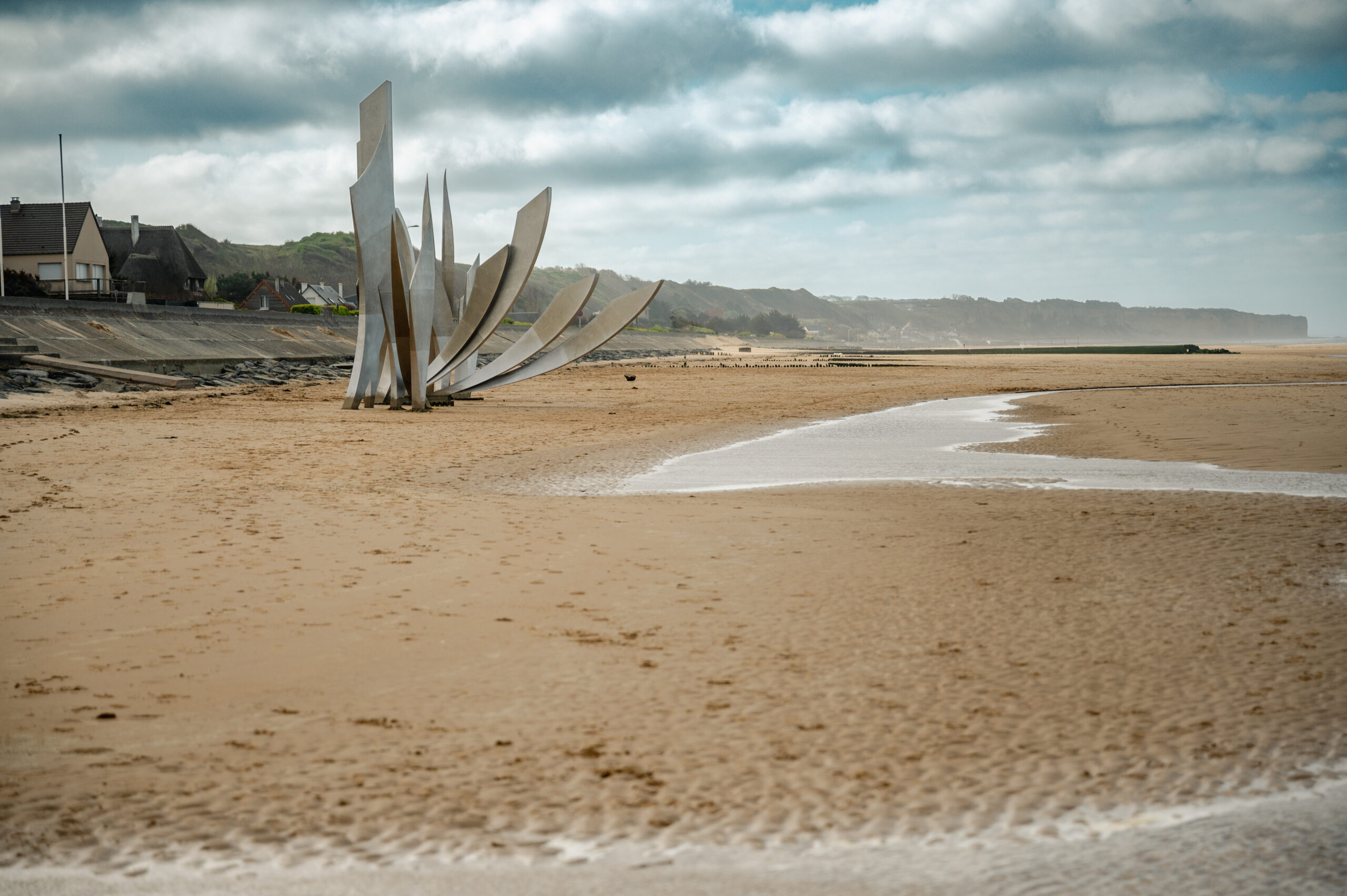
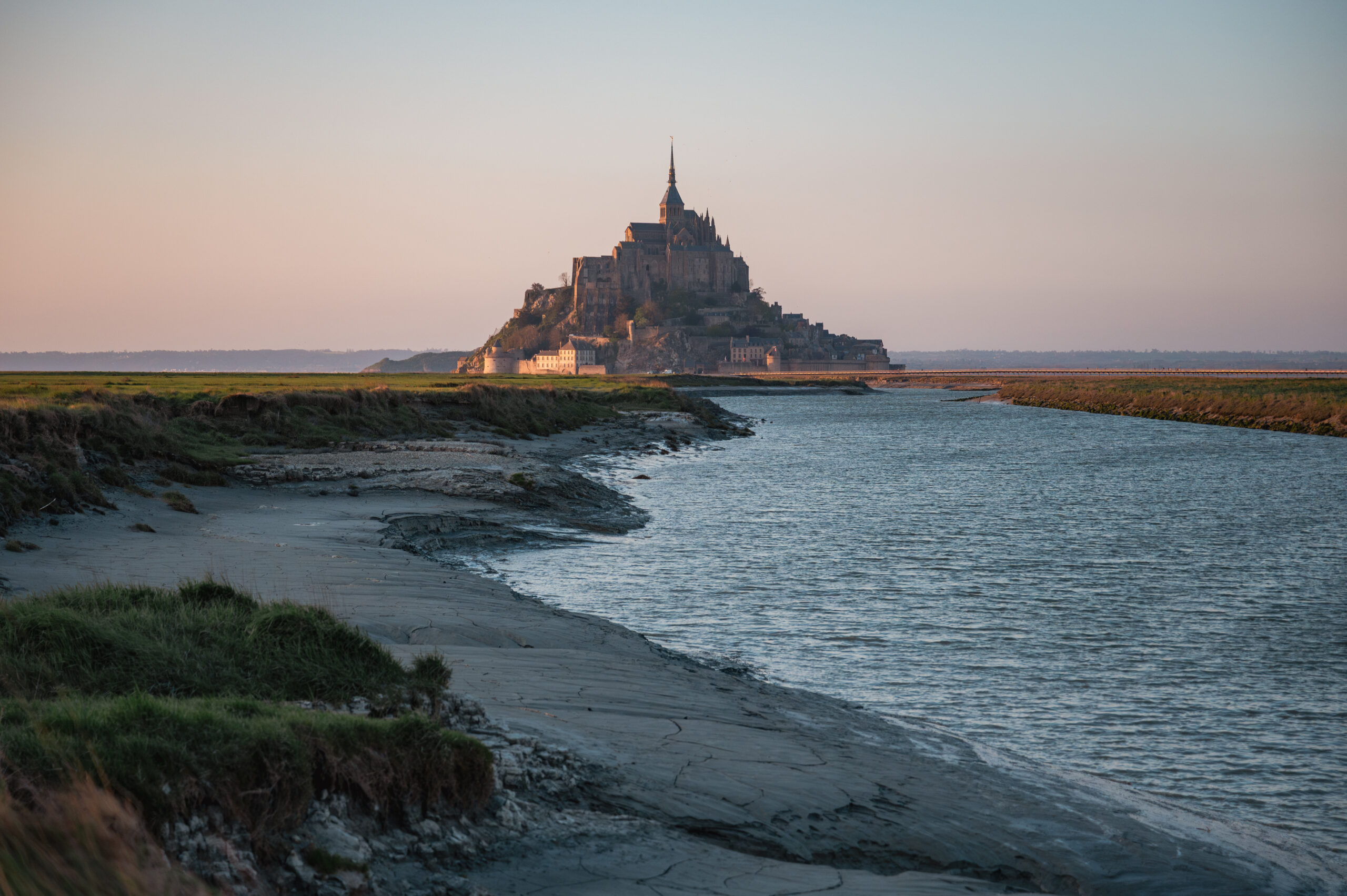
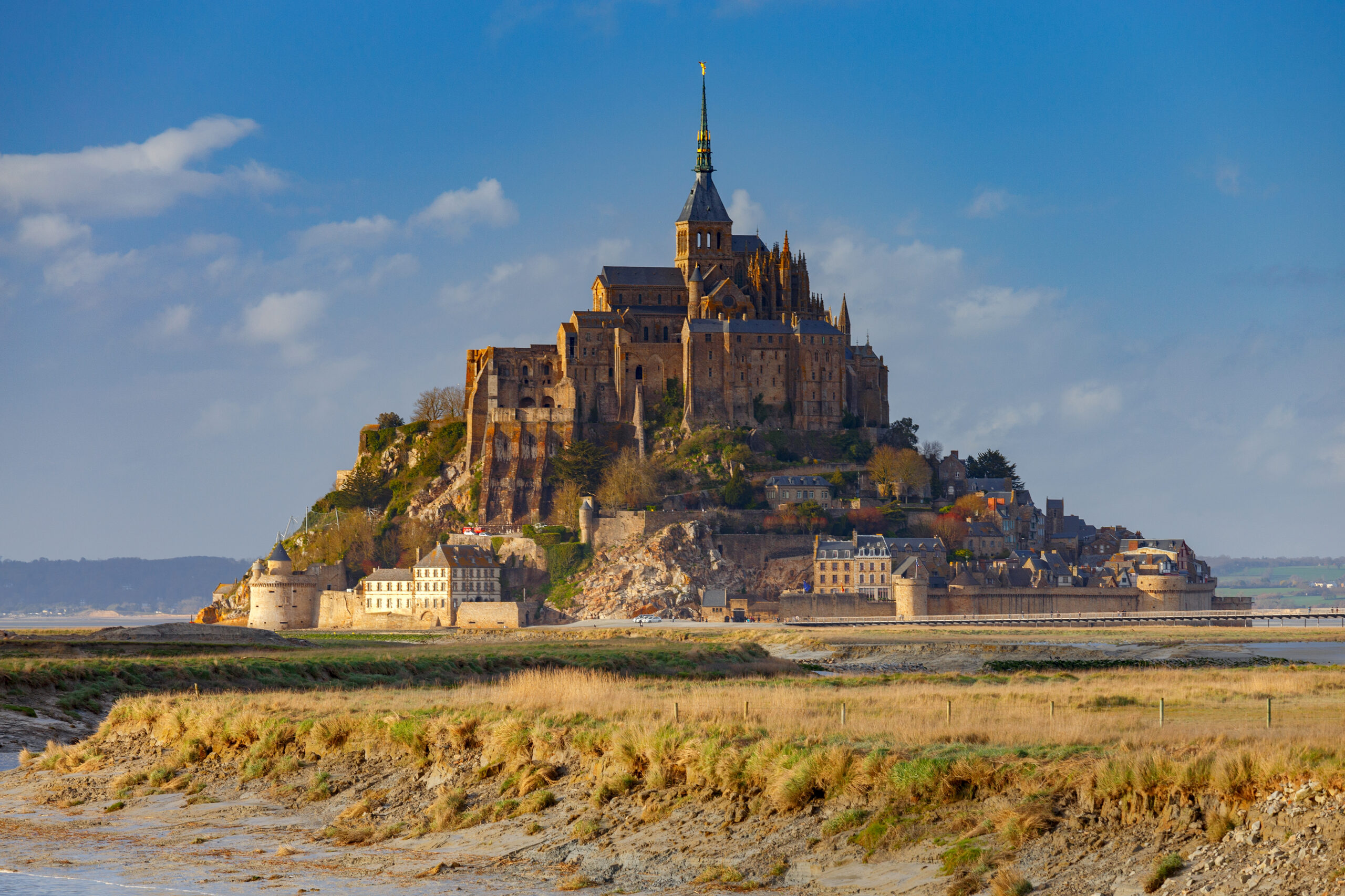
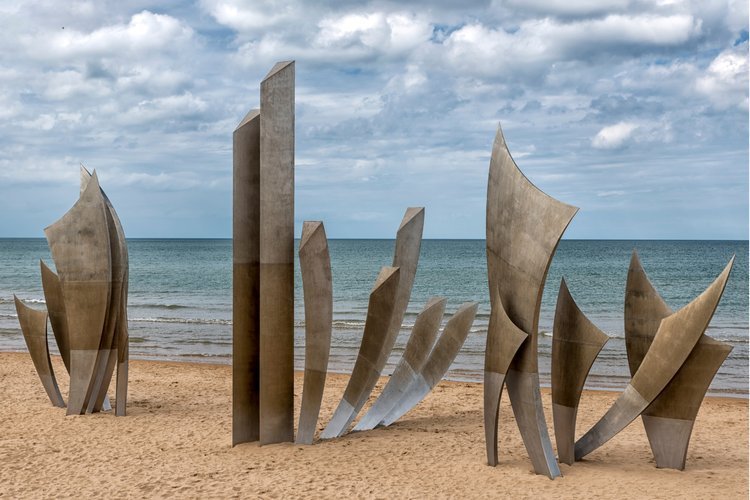
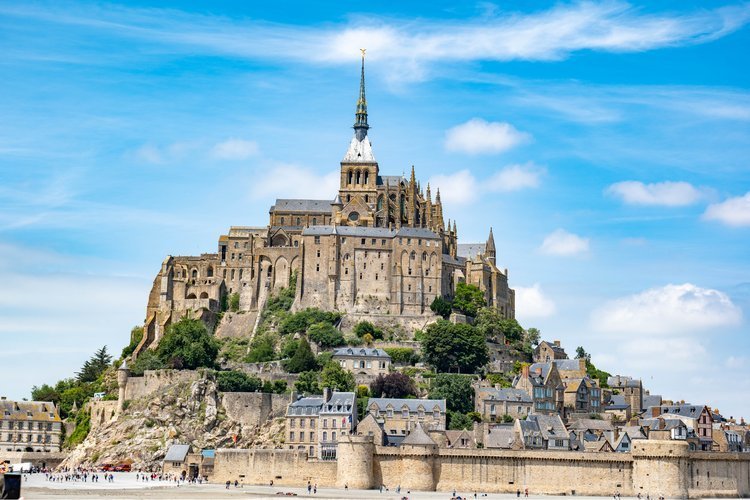
At Omaha Beach, the magnitude of the Normandy Landings is understood, with memorials and the American cemetery honoring thousands of fallen soldiers. The tour continues to Mont Saint-Michel, whose Benedictine abbey, founded in the 8th century, combines Romanesque and Gothic elements. Its ramparts, cloisters and terraces reveal centuries of pilgrimage, conflicts and resistance to invasions and extreme tides.
“Memory is the echo of the acts of men.” – Victor Hugo
Curiosities
- Omaha Beach was the most heavily resisted German sector during D-Day, resulting in thousands of casualties in the first hours of the landing.
- Mont Saint-Michel was never conquered during the Hundred Years’ War, becoming a symbol of French resistance against England.
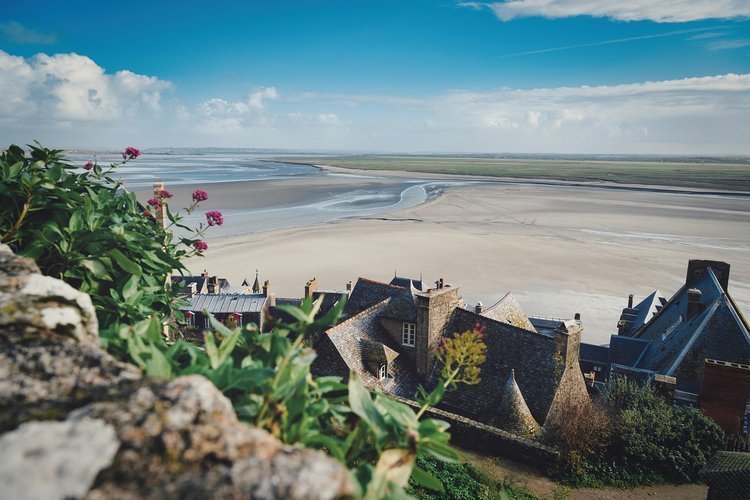
- The bay surrounding Mont Saint-Michel records some of the most impressive tides in Europe, capable of transforming the landscape in a matter of hours and reinforcing its almost impregnable character in the Middle Ages.